
How Berks County's Winter Snow Loads Stress Your Roof
When a nor'easter dumps 18 inches of snow on your Reading home overnight, the weight sitting on your roof isn't something most homeowners think about. But they should.
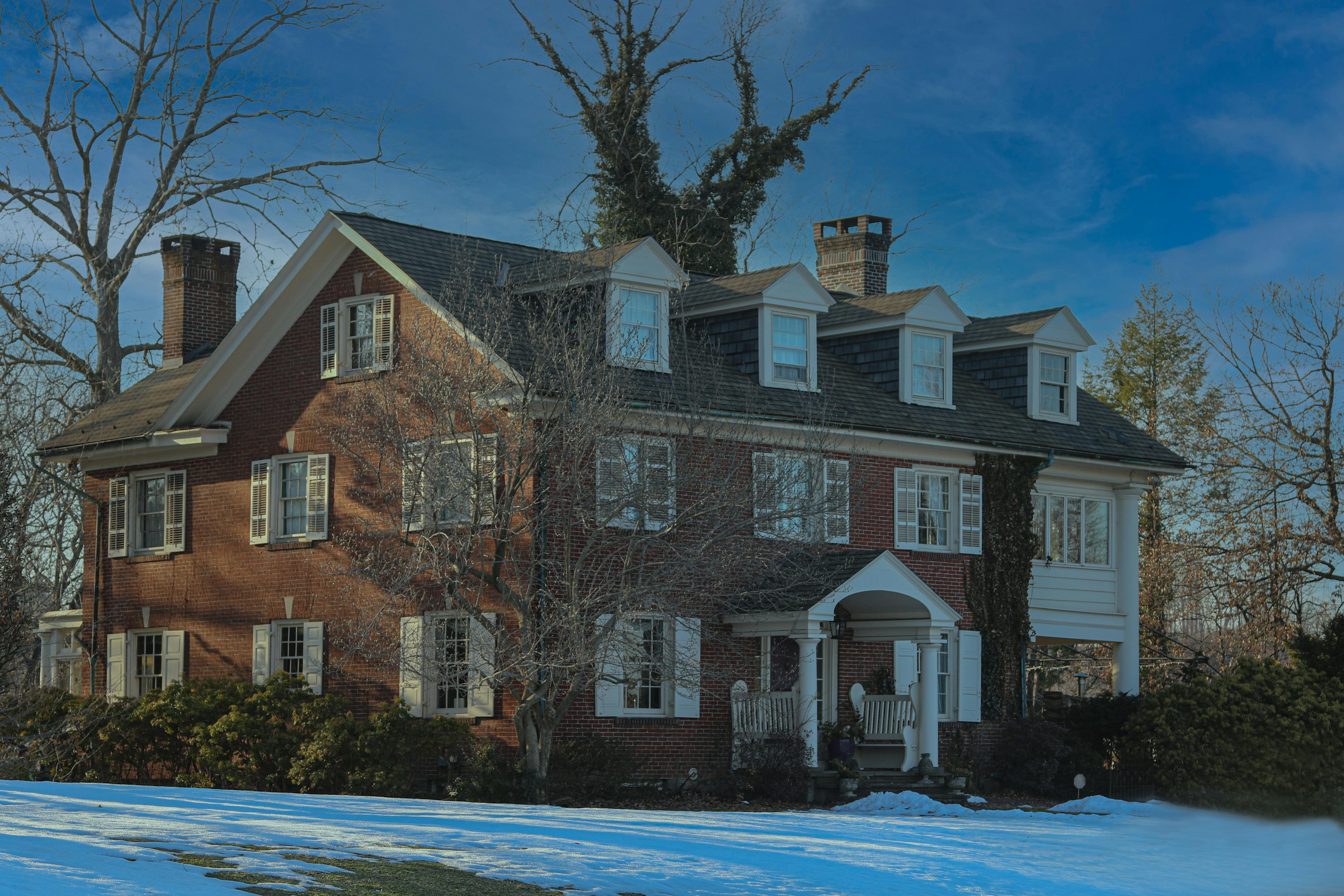
When a nor'easter dumps 18 inches of snow on your Reading home overnight—like the February 2021 storm that buried parts of Berks County under 20 inches—the weight sitting on your roof isn't something most homeowners think about. But they should.
Berks County averages 30.6 inches of snowfall annually, and northern areas near Blue Mountain can see significantly more. That snow isn't just a pretty winter scene. It's thousands of pounds pressing down on your roof structure, and for many older homes throughout Reading, Boyertown, and Kutztown, that weight pushes aging rafters and trusses to their limits.
Here's what every Berks County homeowner needs to understand about winter snow loads—and the warning signs that your roof needs attention before something goes wrong.
How Much Snow Can Your Berks County Roof Actually Hold?
Pennsylvania follows the International Building Code, which requires residential roofs to support a minimum of 20 pounds per square foot (psf) before becoming stressed. However, Berks County's specific ground snow load requirement is 35 pounds per square foot—higher than Philadelphia's 25 psf requirement due to our elevation and proximity to the Appalachian ridge system.
But here's where it gets complicated. Snow weight varies dramatically based on type:
Light, fluffy snow weighs approximately 4-7 pounds per cubic foot. A foot of this powder might only add 5 psf to your roof—meaning you could safely have 3-4 feet before reaching stress thresholds.
Wet, packed snow is the real concern. This dense snow weighs 12-20 pounds per cubic foot. Just one foot of heavy, wet snow can add 12+ psf to your roof load. Two feet puts you dangerously close to that 20-25 psf stress zone.
Ice is the worst-case scenario. One inch of ice equals approximately one foot of fresh snow in weight—around 5 pounds per square foot. When freezing rain coats existing snow and creates layers of ice, roof loads can spike rapidly.
The math becomes alarming when you consider a typical Berks County winter storm. Two feet of packed snow with an ice layer on top could easily exceed 30 psf—pushing even code-compliant roofs toward their limits.
Why Berks County's Geography Creates Unique Roof Challenges
Berks County sits in a transitional zone that creates distinct winter weather patterns. The northern tier of the county—including Hamburg, Port Clinton, and areas along Route 61—sits at higher elevations near Blue Mountain, where the ridge rises between 1,000 and 1,800 feet above sea level. These areas consistently receive heavier snowfall than southern Berks.
Blue Mountain itself acts as a weather barrier, forcing moisture-laden air upward and creating enhanced snowfall on the windward side. Homes in Tilden Township, Windsor Township, and Upper Bern Township often see 20-30% more accumulation than Reading proper during the same storm system.
The Schuylkill River valley that runs through the county creates its own microclimate effects. Cold air drainage into the valley floor can keep snow frozen longer, preventing the natural shedding that occurs when roofs warm up. This extends the duration of heavy snow loads on homes in areas like West Reading, Wyomissing, and along the river corridor.
Then there's the freeze-thaw factor. Berks County experiences 40-60 freeze-thaw cycles per winter, where temperatures oscillate above and below 32°F. Each cycle partially melts snow, which then refreezes—often as denser, heavier ice that adds cumulative stress to roof structures.
Reading's Historic Housing Stock: A Snow Load Vulnerability
Walk through Reading's Queen Anne Historic District or the row homes along Penn Street, and you're looking at housing stock largely built between 1880 and 1920. These homes weren't engineered to modern building codes, and their roof structures reflect construction methods from over a century ago.
Common vulnerabilities in older Berks County homes include:
Undersized rafters. Pre-code construction often used 2x6 or even 2x4 rafters at wider spacing than modern standards. These members have less load-bearing capacity than today's minimum 2x8 or 2x10 requirements.
Limited or no collar ties. Many older homes lack the horizontal bracing between opposing rafters that prevents spreading under heavy loads. This makes the entire roof structure more susceptible to deformation.
Decades of settling. Foundation movement, termite damage, and general aging can weaken connections between rafters and wall plates. What was structurally sound in 1910 may be compromised today.
Modified attic spaces. Previous owners may have cut rafters to add dormers, skylights, or attic conversions without proper structural reinforcement.
The row homes common throughout Reading present additional challenges. Shared walls between units can mask structural problems, and damage in one home can stress adjacent properties. If you live in a row home and notice warning signs after heavy snow, your neighbors should be alerted as well.
Warning Signs Your Roof Is Under Snow Stress
Your roof will tell you when it's struggling—if you know what to look for. These warning signs indicate snow loads may be approaching dangerous levels:
Exterior Warning Signs
Sagging roofline. Stand across the street and look at your roof profile. Any visible dip or bow, especially in the middle of long spans, indicates structural deflection under weight. This is serious—the roof is already deforming.
Excessive icicle formation. While some icicles are normal, heavy concentrations suggest ice dam formation, which adds significant weight and traps water on your roof.
Snow sliding unevenly. If snow is melting and sliding off one section of your roof but staying frozen on another, you likely have insulation or ventilation problems that are creating uneven loads.
Interior Warning Signs
New ceiling cracks. Cracks appearing in plaster or drywall—especially diagonal cracks near corners or cracks running perpendicular to ceiling joists—suggest the structure above is shifting under load.
Doors and windows sticking. When roof structures deflect, the house frame can shift slightly. Doors that suddenly won't close properly or windows that become difficult to open may indicate structural stress.
Popping, cracking, or creaking sounds. All houses make some noise, but new sounds during or after heavy snowfall—particularly loud pops or groans from the attic area—are your roof's way of crying for help. These sounds indicate joints and members are straining.
Sagging ceiling tiles or drywall. In rooms directly below the roof, look for any visible bowing or deformation in ceiling materials.
Sprinkler heads or light fixtures deflecting. In homes with recessed lighting or sprinkler systems, fixtures that appear to be hanging lower than before suggest ceiling deflection.
When to Take Immediate Action
If you observe any combination of these signs—especially sagging rooflines, loud structural sounds, or doors/windows that suddenly won't operate—evacuate the area beneath the roof and contact a structural professional immediately. Roof collapses from snow loads, while rare, do occur and can cause serious injury.
Concerned about snow loads on your roof? We can inspect your structure and identify any vulnerabilities.
Call (484) 602-6863 Schedule InspectionSafe Snow Removal: Protecting Your Roof Without Risking Your Safety
When snow accumulation exceeds 12 inches, or you notice any warning signs, it's time to reduce the load on your roof. But how you remove that snow matters as much as whether you remove it.
Use a Roof Rake (From the Ground)
A roof rake is a long-handled tool specifically designed for pulling snow off roofs while you stay safely on the ground. Key points:
- Purchase a rake with a telescoping handle that extends 15-20 feet
- Work from the eaves upward, pulling snow down in sections
- Don't scrape down to the shingles—leave 1-2 inches to avoid damaging roofing materials
- Start at roof edges and work up only 5-6 feet from the eave
- Stand to the side, not directly below where snow will fall
- Clear snow evenly from both sides of the roof to maintain balanced loads
Never Climb on a Snow-Covered Roof
This cannot be stressed enough: do not climb onto a snowy or icy roof. Falls from roofs are a leading cause of winter injuries and deaths. Ladders become extremely hazardous when ice and snow are present. The few hundred dollars saved by DIY removal isn't worth the risk of a serious fall.
Don't Use Salt or Ice Melt on Roofing
Rock salt and most ice melt products will damage asphalt shingles, accelerate metal corrosion, and can void roofing warranties. They also don't effectively address the weight problem—they just create wet, heavy slush that can be worse than the original snow.
When to Call a Professional
Consider professional snow removal when:
- Snow accumulation exceeds 2 feet
- You have a flat or low-slope roof section
- Your roof is two stories or higher (beyond roof rake reach)
- Ice dams have formed along with heavy snow
- You've noticed any structural warning signs
- Your home is older with potentially compromised framing
Professional roofers have the equipment, safety training, and insurance to remove snow without damaging your roof or risking injury.
Protecting Your Berks County Roof Before Winter Hits
The best time to address snow load concerns is before the first flake falls. A professional roof inspection in fall can identify vulnerabilities and give you time to address them.
Pre-Winter Inspection Priorities
Attic structure assessment. Have a professional examine rafters, trusses, and connections for signs of prior stress, rot, insect damage, or inadequate sizing.
Ventilation check. Proper attic ventilation helps maintain consistent roof temperatures, reducing ice dam formation and uneven snow loads. Good ventilation isn't just about summer heat—it's critical for winter performance.
Insulation evaluation. Adequate attic insulation prevents heat loss that causes premature snowmelt and ice dams. It also helps your heating bills, making this a win-win investment.
Gutter and downspout cleaning. Clear gutters allow meltwater to drain properly rather than backing up and refreezing at roof edges.
Flashing inspection. The areas around chimneys, vents, and roof transitions are vulnerable to ice damage. Ensure flashing is secure and properly sealed.
Consider Structural Reinforcement
For older homes with documented structural concerns, reinforcing roof framing before a crisis is far less expensive than emergency repairs or—worst case—collapse damage. Options include:
- Adding sister rafters to strengthen existing members
- Installing collar ties or rafter ties where missing
- Reinforcing rafter-to-wall plate connections with metal brackets
- Adding support beams in attic spaces
These improvements aren't visible from outside but dramatically improve your roof's ability to handle heavy snow loads safely.
The Bottom Line for Berks County Homeowners
Berks County's combination of significant snowfall, aging housing stock, and varied terrain creates real risks that many homeowners underestimate. The roof that's handled 30 winters may not handle the 31st if conditions align against it.
Pay attention to your roof during and after heavy snow events. Know the warning signs of structural stress. Have the right tools on hand for safe snow removal. And most importantly, get your roof professionally inspected before winter arrives—especially if your home is older or you've never had the structure evaluated.
When in doubt, call a professional. The cost of a roof inspection or professional snow removal is trivial compared to the damage from a roof failure—or the tragedy of a collapse.
Concerned about how your Reading area home will handle this winter's snow loads? Contact Valley Peak Roofing for a professional assessment. We've helped homeowners throughout Berks County—from historic Reading row homes to rural farmhouses near Hamburg—ensure their roofs can safely carry whatever winter throws at them.
Worried About Your Roof's Snow Load Capacity?
Whether you have an older home in Reading or a newer build in the northern county, Valley Peak Roofing can assess your roof's structural integrity and help you prepare for winter. We serve homeowners throughout Berks County and the greater Lehigh Valley.
Call us today at (484) 602-6863 or click below to schedule your free roof inspection. We'll give you straight answers and solutions that make sense.
Get Your Free Inspection